What, Where, and When in Old Kenilworth
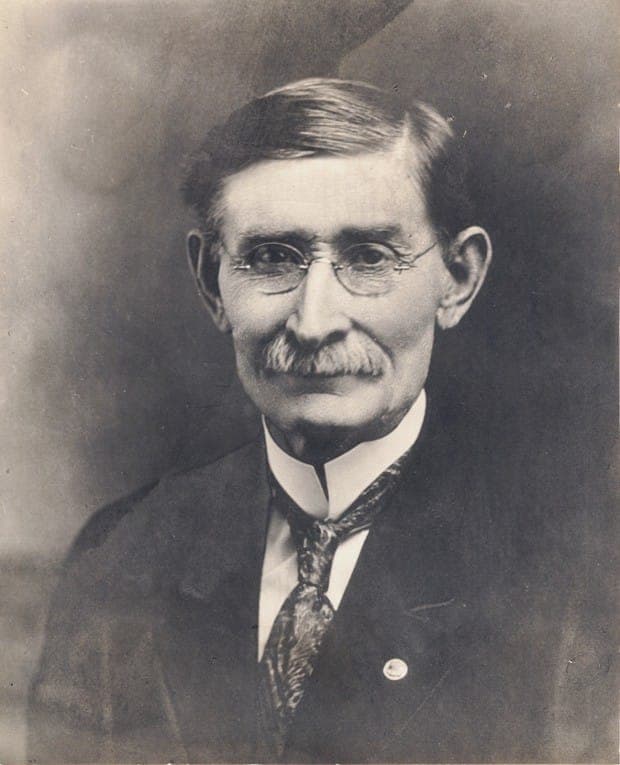
Charles C. Boyd, a contractor and builder, was among the craftsmen drawn to the area during a housing boom around the turn of the 20th century. Then known as New Orange, the community had developed from a land venture established in 1894 by the New Orange Industrial Association, which purchased 30 farms in Union and Cranford.
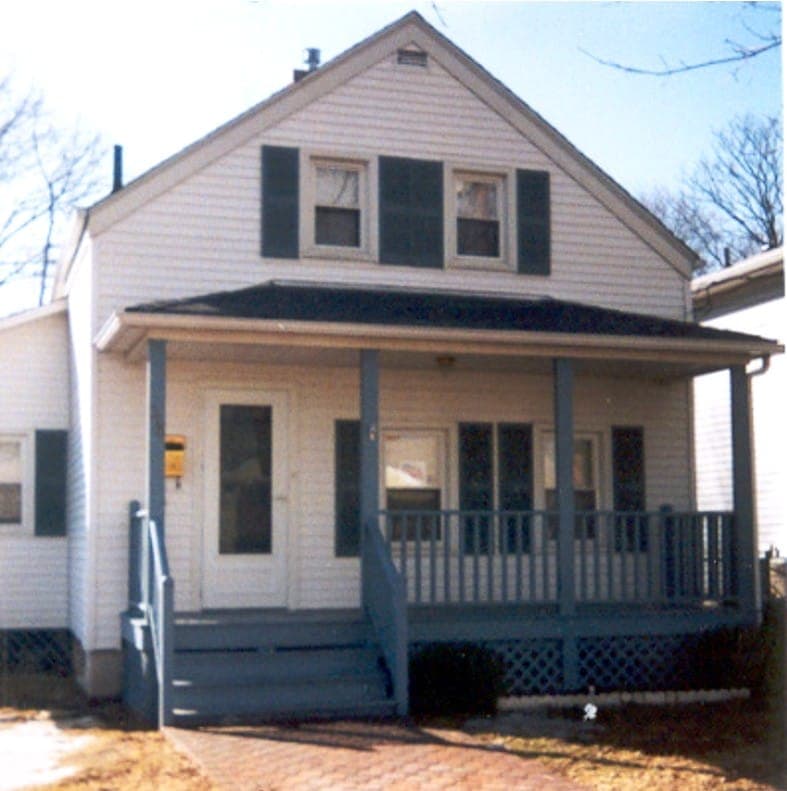
The 1900 federal census recorded Boyd, 49, living in the Union section of New Orange with his wife, Julia. The family later became associated with a home on Kingston Avenue, just east of Michigan Avenue.
At the time, New Orange was divided between Union and Cranford. Residents faced unpaved roads, limited utilities, inadequate street lighting and distant fire protection. Getting concerns addressed through two separate municipalities fueled calls for independence.
Boyd emerged as an outspoken advocate alongside other local civic leaders. On June 18, 1907, residents voted for independence by a margin of 40–5. Five days later, they elected Boyd as Kenilworth’s first mayor, choosing him over Lars Beck by a vote of 47–32.
That November, Boyd won a two-year term for 1908–1909. After unsuccessful campaigns in 1909 and 1911, he returned to win mayoral elections in 1915 and 1917.
His lasting contribution was helping establish an entirely new borough government. Boyd worked with a council and other officials who, like him, were taking on unfamiliar responsibilities. Together, they faced the practical task of turning an independent community into a functioning municipality.
Boyd died on August 7, 1919, during his fourth term. Council President Oswald Nitschke succeeded him for the remainder of the year.
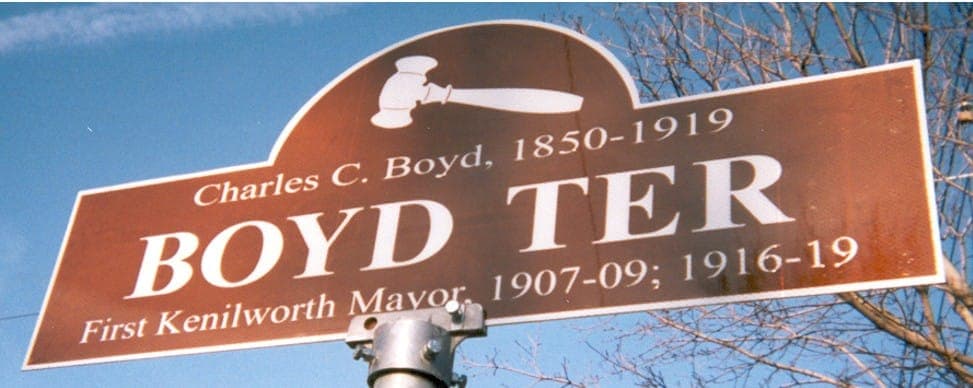
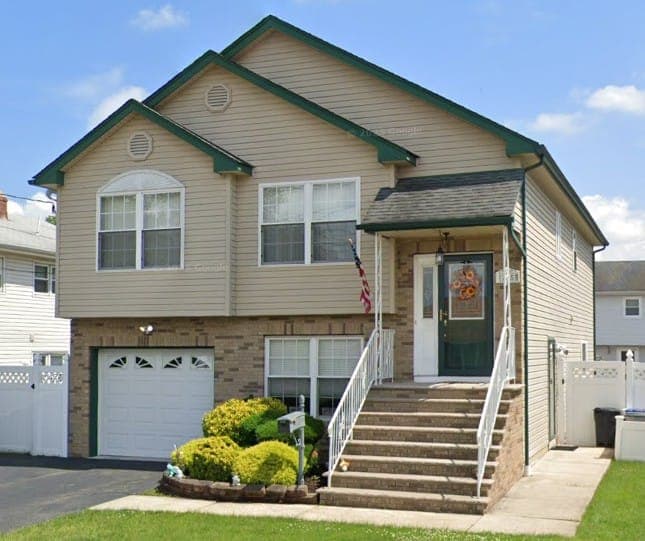
Boyd Terrace was developed in the 1960s, and a historic street sign commemorating the first mayor was installed in 2003. His former home at 715 Kingston Avenue no longer stands, but the sign preserves a connection to Kenilworth’s beginnings.
For questions about this or other Kenilworth history topics, contact Dr. Boright at drbori@aol.com.